Stadium Seating Materials Compared: Plastic, Metal, and Recycled Composites
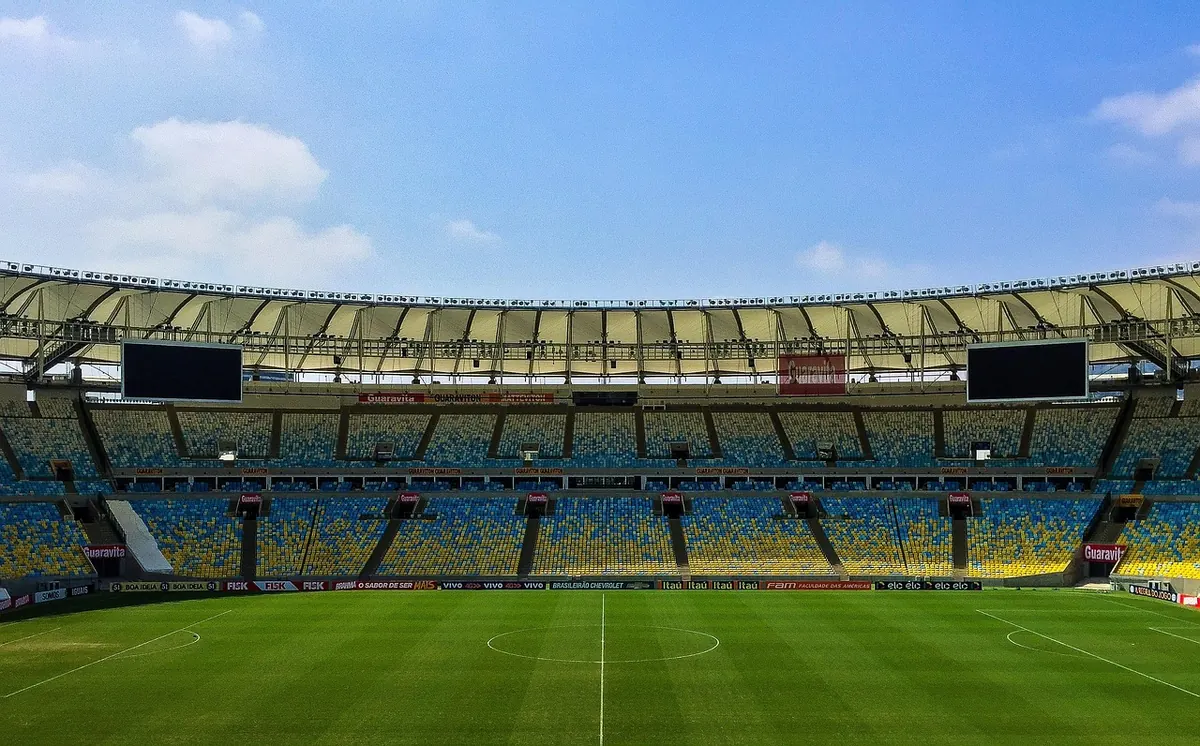
A stadium seat gets more use than almost anything else in the building. It is sat on, stood on, kicked, rained on, baked in the sun, and expected to look presentable on opening day a decade later. The choice between plastic, metal and recycled composites is therefore less about style than about how you want to spend your maintenance budget for the next fifteen years. Each material has a clear personality: plastic is forgiving and cheap to replace, metal is durable and honest about its engineering, and recycled composites are maturing quickly. What follows is a practical comparison for the people who sign the purchase order and then live with the result.
Plastic Seating: The Default, With Good Reason
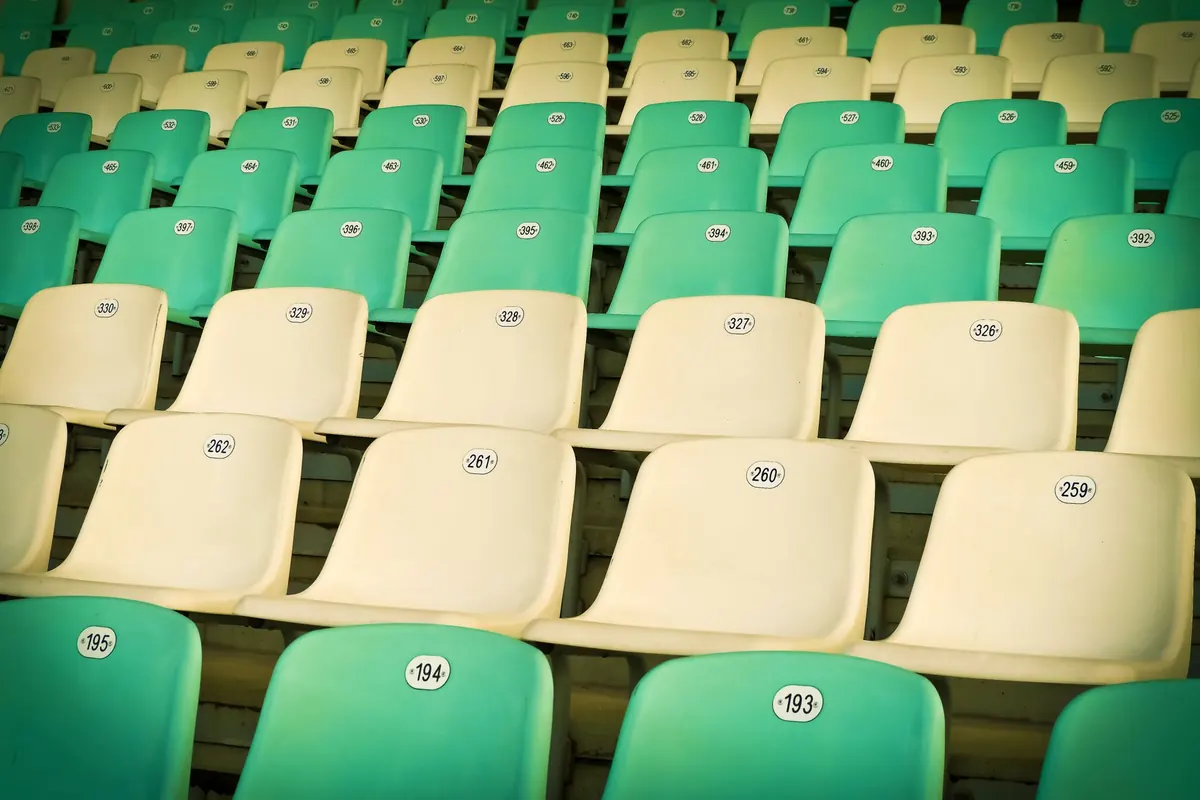
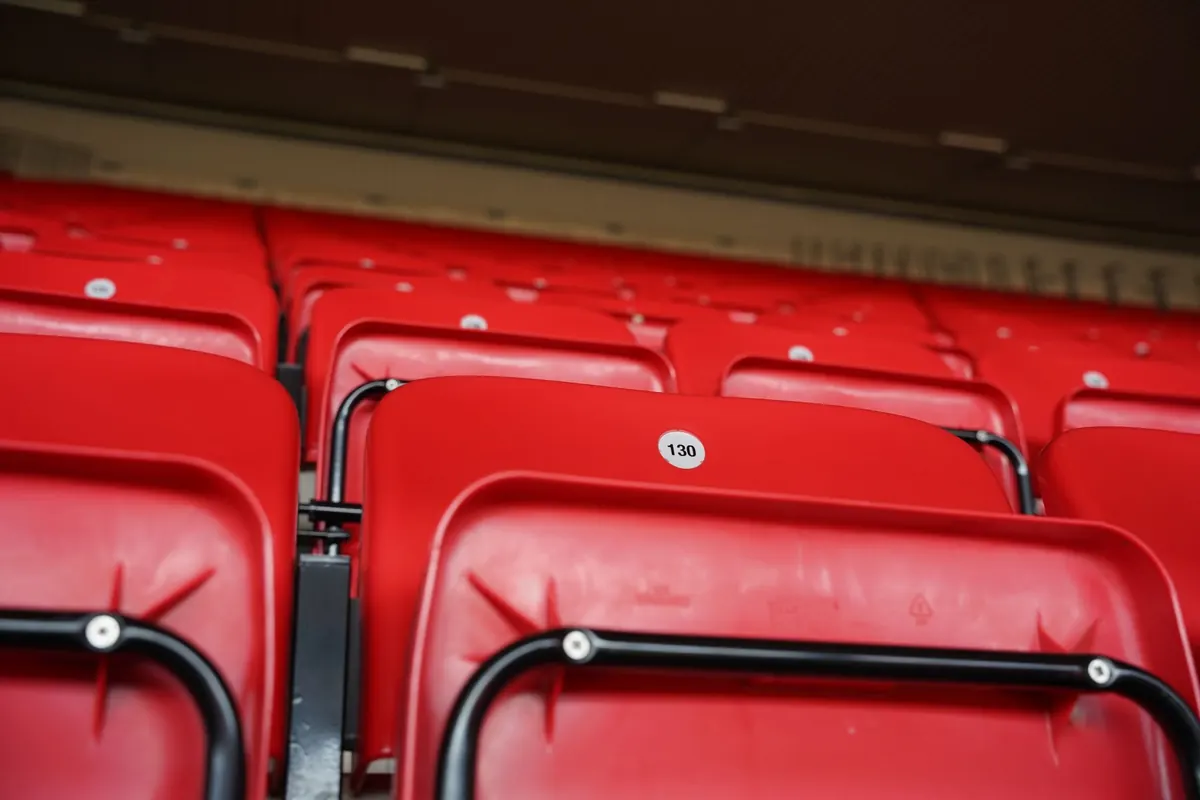
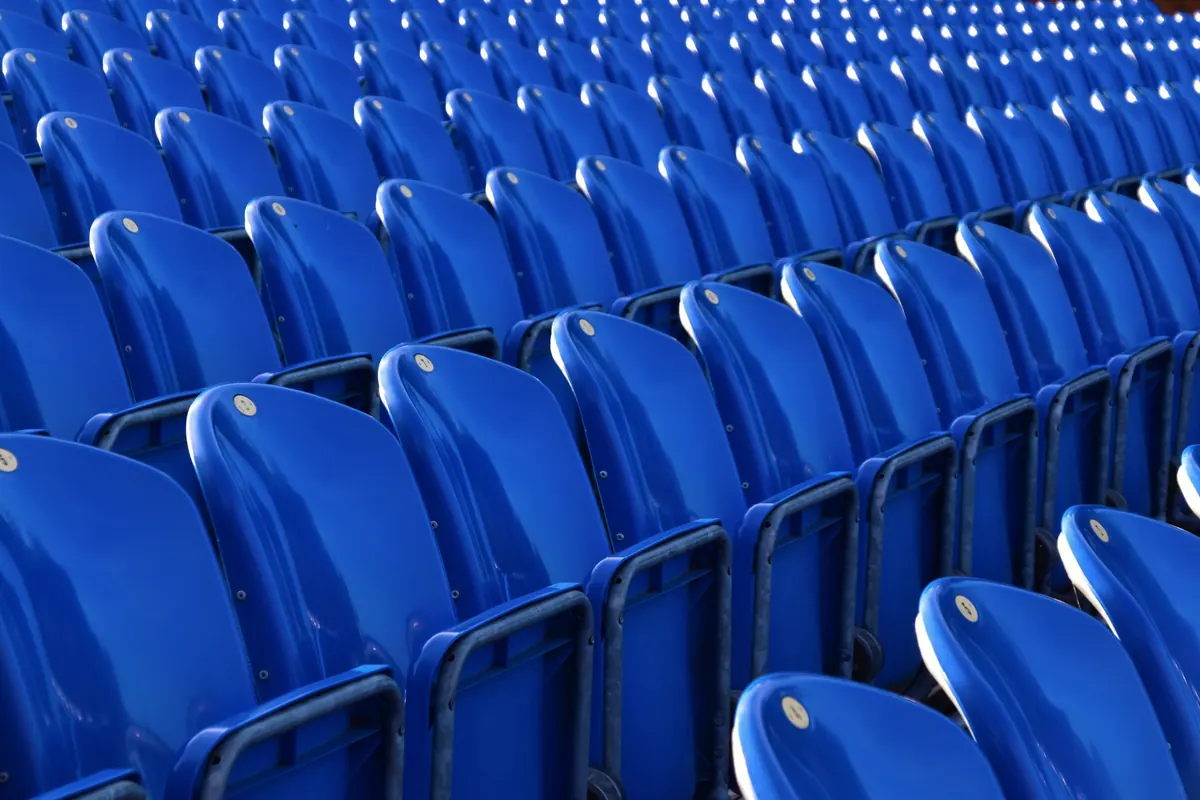
Most fixed stadium seating is moulded plastic, and the reasons are easy to see. Injection-moulded polypropylene and blow-moulded high-density polyethylene produce a one-piece shell with no seams to trap water, no joints to loosen and no coating to chip. A seat shell weighs little, arrives in a colour that goes all the way through the material, and can be swapped out by one person with a socket set when someone cracks a backrest.
The material quality varies far more than the shape does. Two seats that look identical on a brochure page can behave very differently after eight summers of ultraviolet light. The difference usually comes down to the UV stabiliser package and the grade of polymer: well-specified shells hold their colour and stay flexible in cold weather, while cheap ones chalk, fade and turn brittle. If a venue sits in a climate with hard winters, ask how the shell performs at low temperature rather than trusting a colour swatch.
Plastic also handles drainage gracefully. A hollow-back shell with a small weep hole sheds rain instead of holding a puddle against the sitter. Cleaning is straightforward with a pressure washer and mild detergent; aggressive solvents will dull the finish, so keep them away. On sustainability, polypropylene and HDPE are among the more readily recyclable plastics, and recycled content is increasingly available, though metal brackets and inserts need to be separated before a shell can re-enter a waste stream. Ask suppliers what happens at end of life, not just what happens at installation.
Metal Seating: Bleachers, Bolts and Longevity
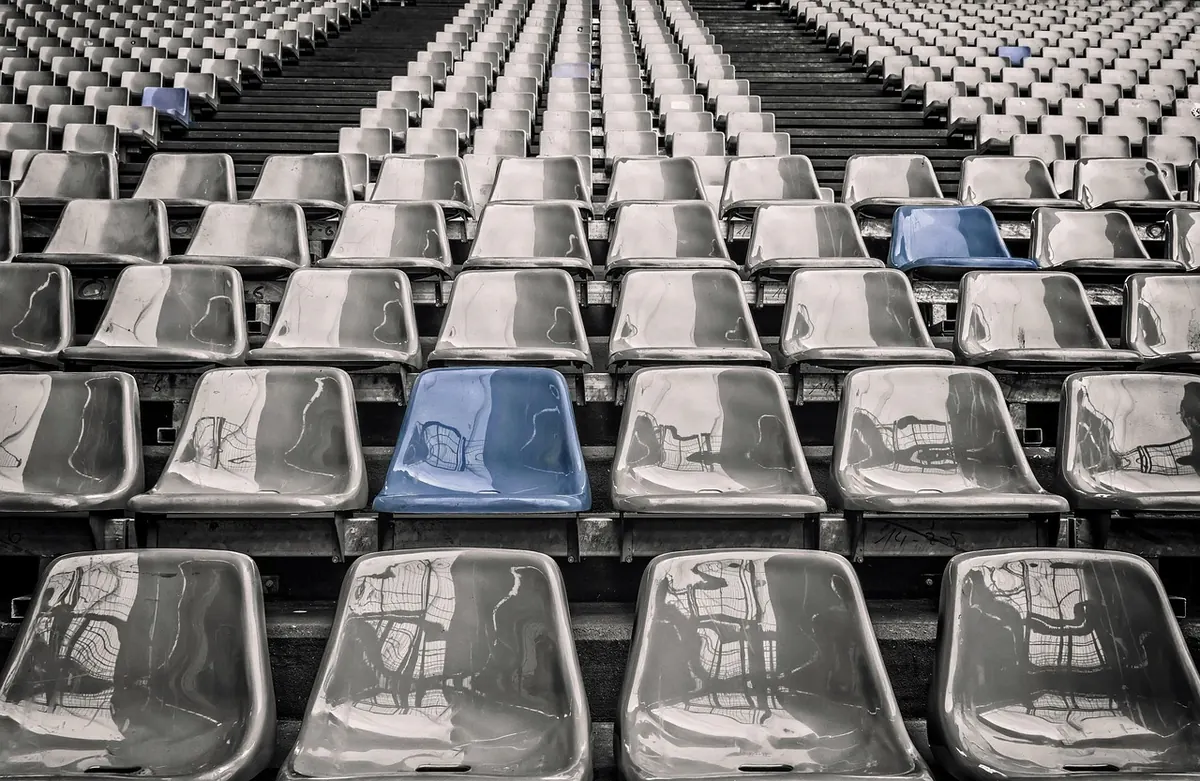
Aluminium is the workhorse of bleachers and large-capacity decks. Extruded planks and formed shells bolt directly to steel or aluminium understructure, powder-coated or anodised for protection, and with decent care they outlast several generations of plastic. Steel appears too, usually where spans are long and loads are heavy, though it needs more vigilant coating maintenance.
The engineering advantages are real: metal takes spans that plastic cannot, it does not creep or sag under load, and it can be repaired or re-coated rather than replaced. The trade-offs are equally real. Bare aluminium in direct sun gets uncomfortably hot, so light colours and appropriate finishes matter in exposed venues. Metal also conducts sound, which is why an uncovered aluminium bleacher can sound like a drum during a school athletics meeting; riser closures and walkway treatments help more than most people expect.
Maintenance for metal is mostly inspection. Check fastener torque after the first season and periodically thereafter, watch for chipped powder coat where corrosion can start, and pay attention to dissimilar metals in contact. In coastal venues, specify stainless fasteners and confirm the finish is suited to salt air, because galvanic corrosion is patient and expensive. Comfort is the other consideration: metal needs a well-shaped profile or a plastic or upholstered insert, since a flat plank is fine for a ninety-minute match and punishing for a full day of racing.
Recycled Composites: Newer, and Worth a Closer Look
Recycled composites typically blend post-consumer or post-industrial plastics with fibre or mineral filler, then extrude or mould them into planks and seat shells. They behave a little like timber in the workshop and a little like plastic in service: they do not rot, do not splinter and do not need painting, which makes them attractive for parks, training grounds and community venues where maintenance teams are stretched.
Design for movement. Plastic-rich composites expand and contract noticeably with temperature, more than aluminium, so profiles need room to breathe at joints and fixings need slotted or oversized holes. The material is also heavy, which affects handling and the structural load on the stand. Colour stability has improved but is still the question to press hardest during specification: ask to see installed examples that have been in service for several seasons in a comparable climate, not just a sample chip.
The sustainability case is genuine but needs verification. Recycled content claims should come with documentation, and the more useful question is what proportion of the mix is post-consumer material rather than factory scrap. Ask too about take-back arrangements at end of life. A composite that cannot be reprocessed is a long-lived product with a one-way journey, which is better than a short-lived one but not the whole story.
Comparing the Three on What Matters
- Durability. Metal wins on structural life, plastic on repairability, composites on resistance to moisture and rot. Failures look different: cracked plastic shells, corroded metal fixings, faded or creeping composite planks.
- Comfort. Plastic and moulded composite shells can be contoured cheaply. Metal needs a shaped profile or an insert. Seat width, back height and row spacing influence comfort more than the material itself.
- Maintenance. Plastic needs cleaning and occasional shell replacement. Metal needs inspection and coating touch-ups. Composites need little beyond cleaning, but are harder to alter on site.
- Sustainability. Recycled content is easiest to specify in plastic and composites; metal has strong recycling infrastructure but high embodied energy. Long service life is itself a sustainability argument.
A note on codes and loads
Seat material choices sit inside a framework of fire performance, egress width, fixing strength and structural loading. Confirm requirements with your local building control or fire authority and have the stand structure checked by a qualified engineer before committing to a heavier option.
Specifying: A Short Practical Checklist
- Count the seats that will actually be replaced each season and budget for a spares allowance of a few percent.
- Standardise brackets and fixings across the venue so one toolkit and one spare part covers every block.
- Ask every supplier for installed references in a similar climate, and visit one if you can.
- Check colour fastness, low-temperature impact and slip performance in writing, not verbally.
- Confirm what happens to a damaged seat: replaceable shell, replaceable insert, or full unit?
- Request recycled-content documentation and end-of-life options in the tender, not afterwards.
- Walk a row at the end of a busy event and look for standing water, loose fixings and worn edges.
Match the Material to the Venue, Not the Fashion
A community ground with a volunteer maintenance crew will usually be happiest with moulded plastic or a well-documented recycled composite. A coastal grandstand exposed to salt and sun rewards aluminium specified properly, with stainless fasteners and a finish chosen for the environment. A hybrid is often the sensible answer: metal structure and framing, plastic or composite shells where people sit, and inserts where comfort is sold as part of the ticket.
Whichever route you take, buy on the details behind the material name — the stabiliser package, the coating system, the fixing design, the spares policy. Those are what you will be living with long after the ribbon has been cut.
Photo: Waldemar Brandt / Pexels
You Might Also Like
Stadium seating safety is decided in the geometry — continuous handrails, honest aisle widths and evacuation routes that work long before the seats are chosen.
Sensors and connected ticketing turn stadium seats into sources of useful information about usage, queues and crowd movement — if the basics are right.