How to Choose the Best Stadium Seat: A Step-by-Step Guide
You have the fixture circled, the ticket page open, and a stadium map that looks less like a sports venue and more like an aircraft carrier seen from above. Blocks are colour-coded, prices jump between one section and the next, and every seat on offer apparently has "great views". Most of them do. A few are genuinely excellent. A handful will have you craning around a railing for two hours. The difference is rarely the price. It is knowing what to look for before you click.
Buying a stadium seat is a small exercise in trade-offs: sightline against atmosphere, comfort against cost, convenience against quiet. Work through the steps below in order and you will end up somewhere you would happily sit again.
Start With the Sightline, Not the Seat
Two things decide what you actually see: how far you are from the action, and how steeply you are looking down at it. Most people fixate on the first and ignore the second.
A seat eight or ten rows up in a steep upper tier often gives a clearer read of a match than row three of the lower tier, where you are level with the pitch and everything flattens into a single plane. Being close is thrilling and loud, and it is also the worst place to judge depth. Crosses, offside calls and how much space a winger really has all become guesswork from the front row. If you want to understand the shape of the game, go up. If you want to feel it, go down.
Then look for the things the map does not show you. The front row of almost any block can come with a railing or a glass barrier at eye level. Camera platforms, dugout roofs, floodlight pylons and big screens all eat into sightlines, and a seat directly behind the wheelchair platform or a TV gantry can be worse than one twenty rows further back. Before you commit, search for photographs taken from the block you are considering — fan forums, seat-view galleries and club ticket pages often have them. Ten minutes of that beats any description.
Match the Seat to What You Are Watching
The best block depends entirely on the event, and the same stadium can offer very different experiences on a Saturday afternoon and a Tuesday night.
Football and rugby
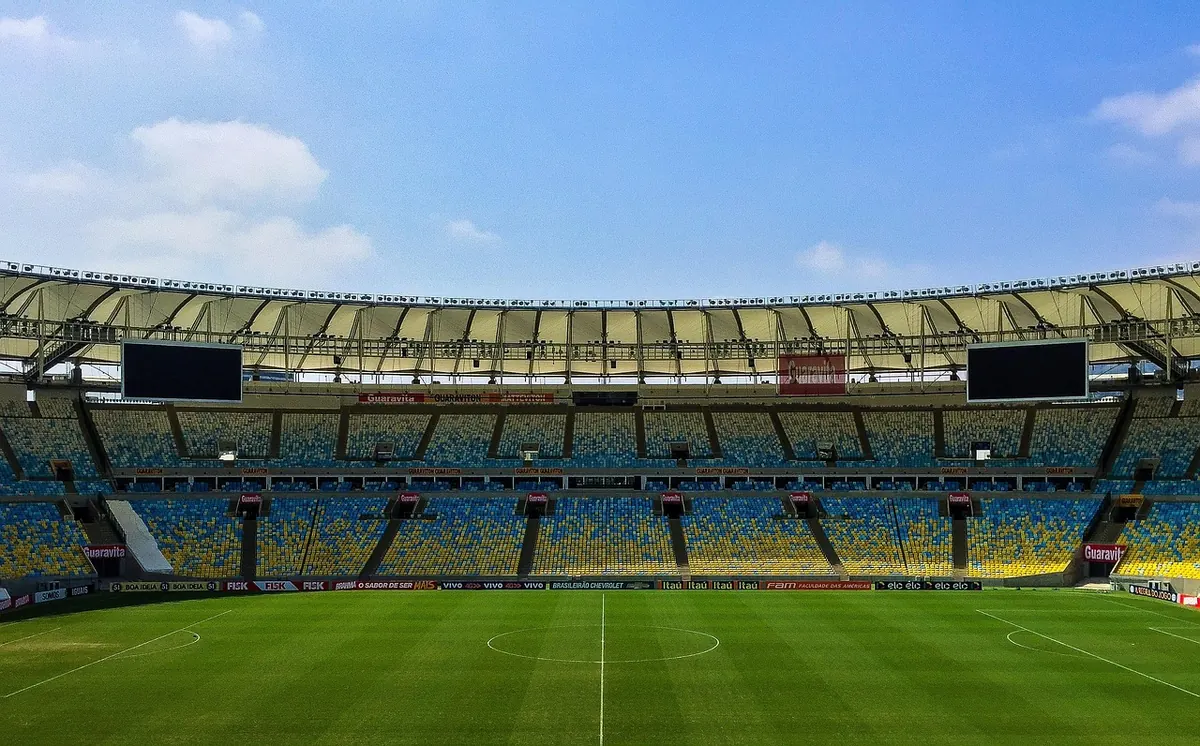
The halfway line, elevated, is the classic choice for reading tactics. Behind the goal is louder, cheaper and more emotional, but you spend half the match watching the far end from a distance. Corners are the good compromise: cheaper than the sides, with a diagonal view that shows you runs and passing angles rather than a flat line of players.
Concerts
Check which end the stage is at before anything else. Seats behind or to the side of the stage are often sold at full price with a restricted view of the performance itself, leaving you to watch the screens. Straight-on side tiers give you proximity plus a full view of the production; the upper tier directly opposite the stage gives you the whole light show at the cost of intimacy.
Athletics and multi-sport events
Events that move around the track reward a bend seat, where you can see the home straight and the field at once. Anything finishing on the line — sprints, relays, ceremonies — makes the main stand worth the premium.
Aisle Seats Are Not Automatically Better
Everyone recommends the aisle. It is genuinely better if you have a bad knee, small children, or a habit of needing the toilet at the worst moment. You get a little extra room on one side and you can leave without apologising to six people.
What the recommendation leaves out is the traffic. Aisle seats sit in the path of late arrivals, people going for drinks, stewards moving through and the general drift of a crowd that cannot sit still. If you are short, you will spend more time looking around someone's coat than at the pitch. The seat itself is often angled slightly toward the pitch, which is fine, but the step edge beside you is not somewhere to put a bag.
Mid-row seats are quieter. You stand up twice, maybe three times, and the rest of the time nobody walks past you. The practical compromise: choose a block close to a concourse entrance so the walk in and out is short, but sit a few seats away from the steps themselves.
Comfort Lives in the Details
Two seats can look identical on a map and feel completely different after ninety minutes. These are the things worth checking:
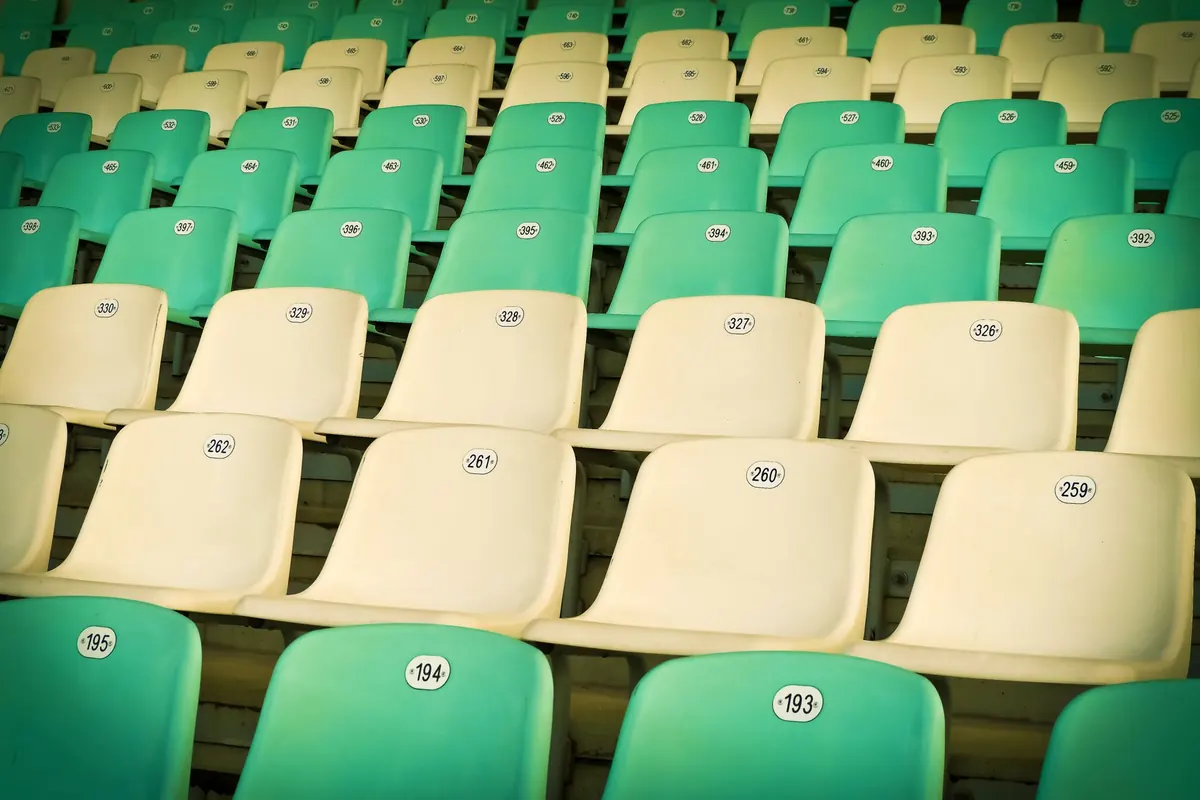
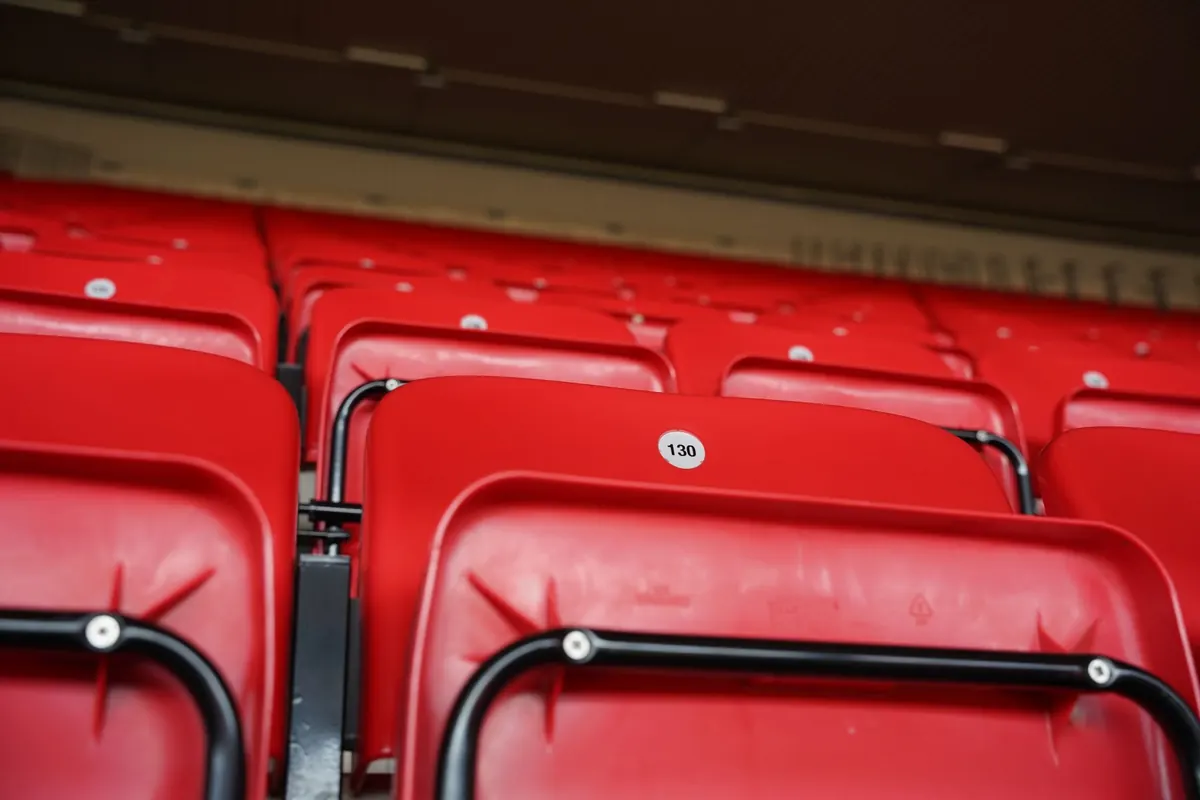
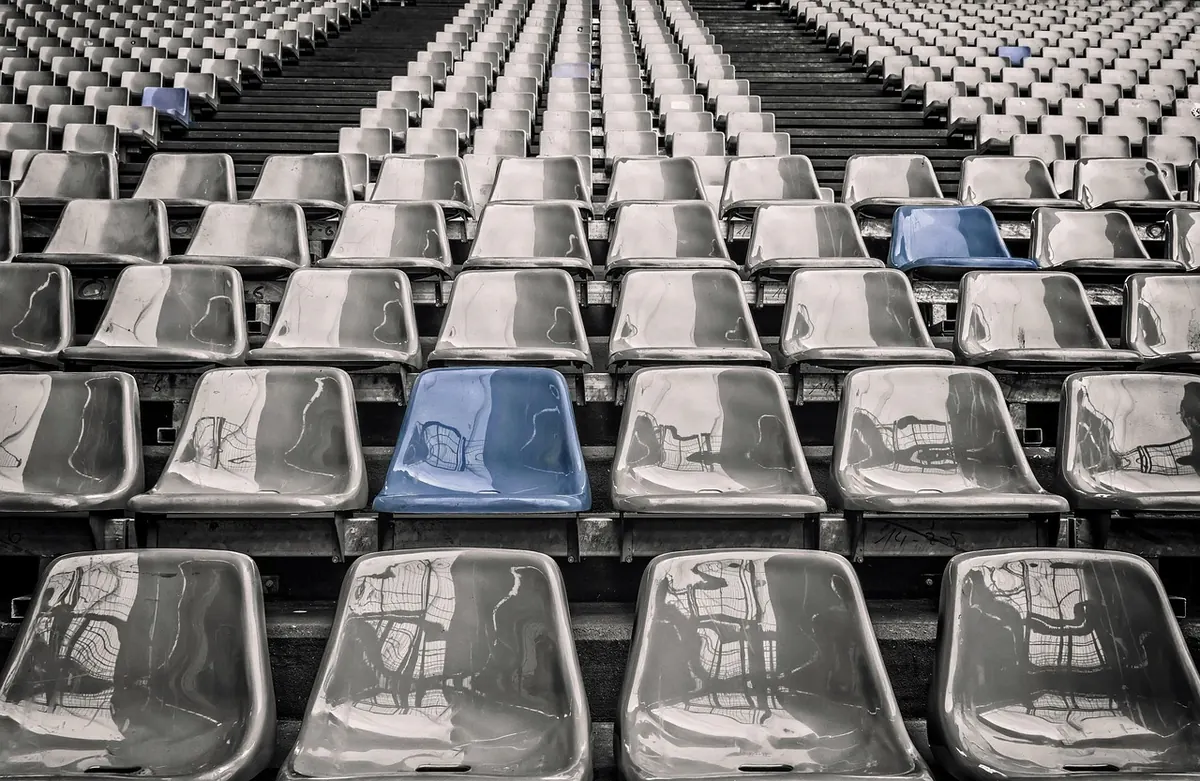
- Seat type. Old grounds still have bench-style or narrow plastic seating; refurbished blocks usually have individual bucket seats, sometimes padded. If comfort matters, ask which stand has been updated.
- Legroom and row depth. Older stadiums are tighter, and a tall spectator will notice. Aisle seats, front rows of blocks and the back row sometimes give a little more space.
- Width. Shoulder room varies more than you would expect between stands in the same venue.
- The row in front. In a well-raked block, the person ahead will not block your view even when they stand. In a shallow block, they will.
- The roof. Find out which rows are covered. Front rows of lower tiers are frequently exposed, which is lovely in May and miserable in February.
- The sun. For afternoon and early-evening events, seats on the side facing west look into a low sun; the opposite side has it behind you.
- Practicalities. Cup holders, armrests you actually get to use, and whether the block is served by its own concourse or one shared with three others.
If you buy one seat a season, optimise for the view. If you go ten times a year, optimise for the walk to the toilet and the width of the seat. You will remember the second one far more often.
Build a Realistic Budget
The ticket price is the start of the cost, not the end of it. Booking fees, card charges, travel, parking, a programme and food all add up, and on a family trip the extras can quietly rival the seats themselves. Add them together before you compare options, because a cheaper seat in a hard-to-reach stand is not cheaper at all.
A few habits that consistently help:
- Compare one tier down before you commit. The difference between a premium side seat and a good upper-tier seat a few rows higher is often smaller than the price gap suggests.
- Do not pay extra for a specific row unless the row changes something — cover from the roof, no railing in front of you, easier access.
- Check the club's official resale or membership route before paying a markup elsewhere, and read the terms on refunds and exchanges.
- Price the whole trip, then decide. Sometimes the mid-priced seat with cheap parking beats the bargain seat in the far stand.
A Five-Minute Check Before You Buy
Run through this on the ticket page and you will avoid most of the regrets people carry home from a stadium:
- Find your block on the map and confirm which direction the pitch or stage faces.
- Look for a real photograph taken from that block, ideally from a similar row.
- Check whether your row sits behind a railing, glass panel, camera position or dugout.
- Confirm how you get in and out, and whether the seat is on an aisle if you need one.
- Check the roof line and the forecast if the venue is open to the sky.
- Add up the full cost, including travel and the extras you know you will buy.
If anyone in your group has mobility or accessibility needs, contact the club's ticket office directly rather than picking from the map — companion seats, step-free routes and viewing platforms vary widely between venues, and a short phone call resolves in minutes what a seating chart cannot.
Do those checks and the decision becomes simple. You are not hunting for the perfect seat in the whole stadium. You are finding the one that matches how you watch, who you are with, and what you are willing to spend — and then enjoying the match instead of thinking about where you are sitting.
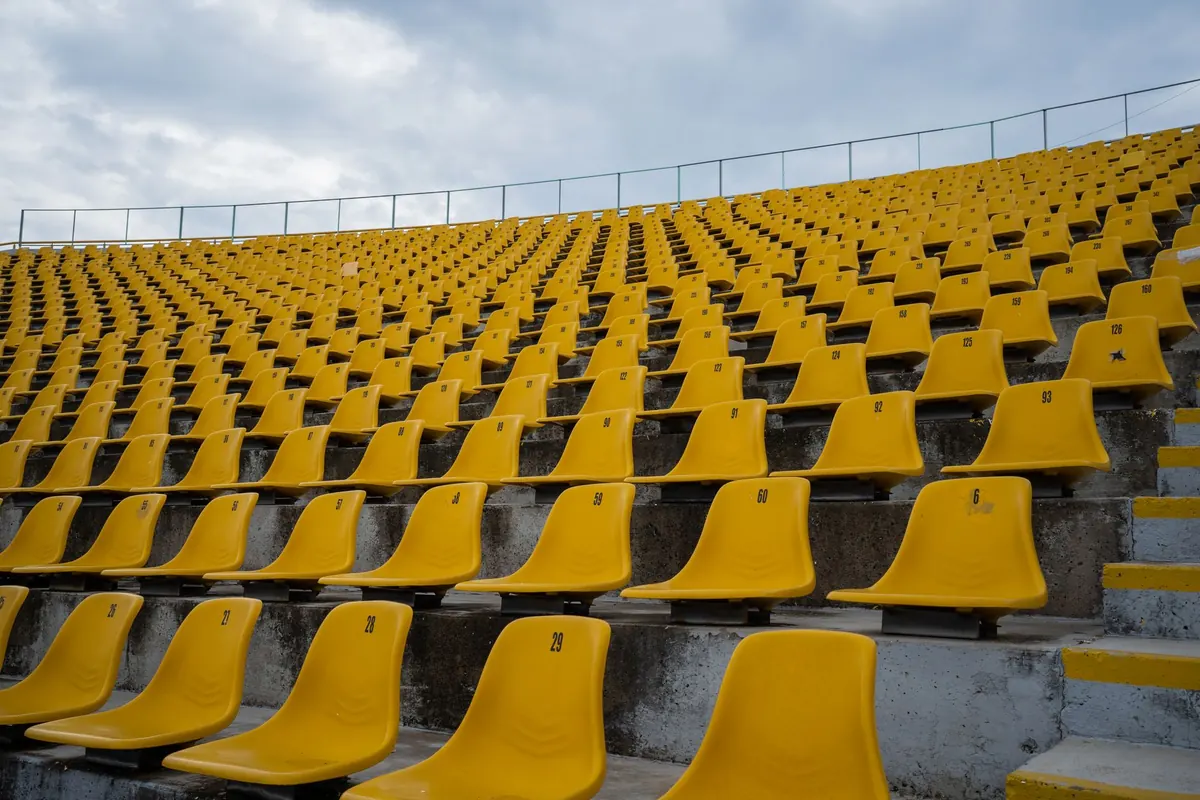
Photo: Amar Preciado / Pexels
You Might Also Like
Stadium seating safety is decided in the geometry — continuous handrails, honest aisle widths and evacuation routes that work long before the seats are chosen.
Sensors and connected ticketing turn stadium seats into sources of useful information about usage, queues and crowd movement — if the basics are right.